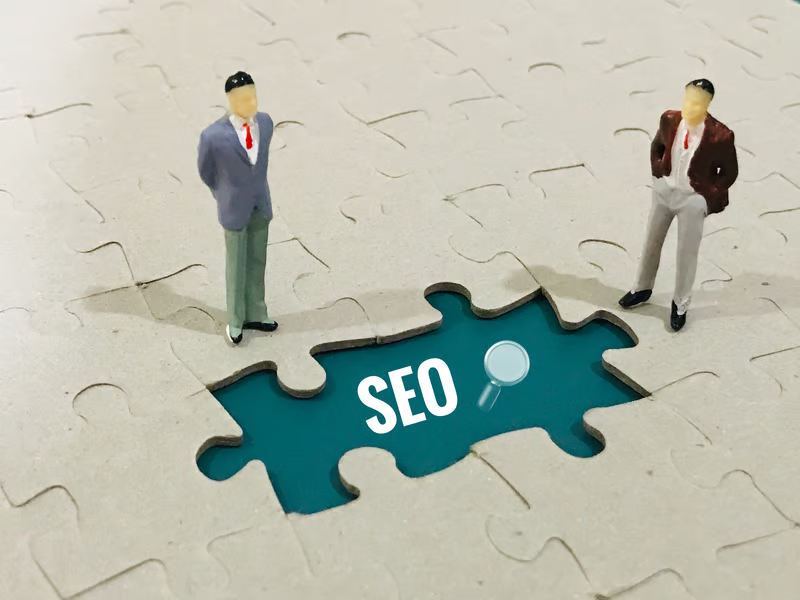
Keyword ranking improvement tracking SEO is essential for understanding whether your SEO strategy is generating meaningful growth. While many businesses focus only on checking rankings daily, successful SEO tracking requires analysing trends, identifying opportunities, and understanding what drives ranking changes.
SEO is not simply about achieving the top ranking. It is about maintaining visibility, improving traffic quality, and adapting to changes in search intent and competition over time. Businesses that understand how to interpret ranking data properly can make smarter optimisation decisions and achieve more sustainable growth.
What Is SEO

Many website owners focus only on rankings, asking, “What is my ranking today?”SEO professionals take a deeper approach by analysing why rankings have changed and whether those changes are temporary fluctuations or part of a broader trend.
Without proper analysis, businesses often react to minor ranking drops and make unnecessary changes that hurt long-term performance. SEO tracking should provide insight, not stress.
Rankings are also not a one-time achievement. Search behaviour, competitors, and Google’s algorithm are constantly changing.
An effective SEO tracking strategy focuses on:
- Long-term visibility growth
- Consistent ranking performance
- Traffic quality and conversions
- New optimisation opportunities
Successful keyword ranking improvement tracking turns ranking data into informed business decisions.
Noise vs. Growth: Understanding Ranking Volatility
Daily keyword fluctuations are completely normal in SEO. Rankings can move slightly up or down due to Google testing, competitor adjustments, or changes in user behaviour.
This temporary movement is often called “noise.”
Common causes of ranking noise include:
- Minor competitor updates
- Google search result testing
- Device or location differences
- Short-term search intent shifts
One of the biggest mistakes businesses make is obsessively checking rankings every day. Reacting emotionally to small fluctuations often leads to over-optimisation and unnecessary website changes.
Instead, focus on identifying genuine growth.
True SEO improvement usually looks like:
- Stable Page 1 rankings
- Consistent upward movement over weeks or months
- Improved click-through rates
- Growth in organic traffic
- Better keyword visibility overall
Rather than focusing on daily movements, compare performance monthly or quarterly to understand the bigger picture.
Google Search Console (GSC) Mastery

Google Search Console is one of the most valuable SEO tools available, but many businesses misunderstand its data.
One of the best ways to track keyword ranking improvements is by using the Compare feature in Google Search Console over:
- 3-month periods
- 6-month periods
- Year-over-year performance
This helps reveal genuine momentum instead of temporary ranking dips. However, many users misunderstand the importance of Average Position.
Site-wide averages often include:
- Irrelevant keywords
- Low-priority pages
- New rankings on deeper pages
This creates an important paradox: your average position may decrease even while your overall visibility improves.
For example, ranking for hundreds of new keywords on Page 4 can lower your overall average while expanding your future traffic potential.
To improve analysis accuracy, filtering is essential.
Filter by Query
Track your most valuable “money keywords”, the keywords that drive:
- Revenue
- Qualified leads
- High-intent traffic
Filter by Page
Monitor important service pages individually to measure how SEO improvements affect actual business performance.
Diagnostic: Fixing Keyword Cannibalization

Keyword cannibalisation occurs when multiple pages on the same website compete for the same search term. Instead of strengthening rankings, this often splits authority and weakens performance.
A common sign of keyword cannibalization is ranking instability, where two pages continuously swap positions for the same keyword.
This can lead to:
- Fluctuating rankings
- Lower authority signals
- Reduced click-through rates
- Slower SEO growth
There are two main ways to fix keyword cannibalization.
Merge Similar Pages
If multiple pages target the same topic with thin or overlapping content, combine them into one stronger pillar page and implement a 301 redirect.
Differentiate Search Intent
If both pages serve different purposes, optimise them around separate user intents.
For example:
- One page targets informational intent
- Another targets commercial intent
Clear intent separation helps Google understand which page should rank for each query.
The Shift: From Rankings to ROI
Keyword rankings are important, but they should not be the final goal of SEO.
Higher rankings often indicate increasing trust from Google, but business success is measured by:
- Organic traffic quality
- Click-through rates
- Leads and conversions
- Revenue growth
This is why businesses must learn the difference between “ghost keywords” and “money keywords.”
Ghost Keywords
Ghost keywords are terms with:
- Little search volume
- Weak business relevance
- Minimal conversion potential
Ranking #1 for these keywords may look impressive on reports but often provides little real business value.
Money Keywords
Money keywords are high-intent search terms that drive valuable traffic and commercial opportunities.
In many cases, ranking #3 for a strong commercial keyword delivers far more value than ranking #1 for a low-volume keyword.
Successful keyword ranking improvement tracking SEO should always focus on ROI, not vanity metrics.
Proactive Strategy: Striking Distance Keywords
Some of the best SEO opportunities already exist within your current rankings.
“Striking distance” keywords typically rank between Positions 11 and 20 in Google search results. Since these keywords already have some visibility, they often require less effort to move onto the first page.
Improving these keywords can lead to:
- Faster traffic gains
- Higher click-through rates
- Better lead generation
- Stronger SEO ROI
Several optimisations can help push Page 2 rankings into the Top 10.
Internal Linking
Pass authority from high-performing pages to weaker pages through strategic internal links.
Metadata Refinement
Improve title tags and meta descriptions to increase click-through rates and strengthen relevance signals.
Content Refreshes
Update outdated information, improve readability, add new media, and strengthen topical relevance to provide a freshness boost.
Rather than constantly creating new pages, businesses can often generate stronger SEO results by improving existing content.
Conclusion

Keyword ranking improvement tracking SEO is not about obsessively monitoring rankings every day. It is about understanding trends, identifying opportunities, and making smarter optimisation decisions based on reliable data.
Whether through Local SEO, International SEO, Technical SEO, Content Marketing, or YouTube SEO, effective analysis helps businesses turn ranking improvements into measurable business growth.
Partnering with experienced SEO professionals allows businesses to move beyond surface-level tracking and unlock the true potential of organic search visibility.