Have you ever worked on an amazing project website, an online portfolio, or perhaps the beginning of a business idea for a long time only to find that it isn’t appearing in search results? You’re certainly not the only one. Loads of people put immense effort into creating stunning sites but miss a really key piece of the online puzzle: link building.
Simply put, it’s about getting other websites to point a link back to your site.. Imagine it as earning recommendations or ‘votes’ for your content. When good quality, relevant websites vouch for you by linking, it sends a strong signal to search engines like Google that your material is valuable, trustworthy, and has some clout (authority). This can genuinely help to improve your visibility and search positions.
For those new to this, understanding link building might seem a bit daunting. There’s a lot out there – and some of it isn’t exactly clear or even helpful. That’s precisely why I put together this SEO Link Building For Beginners guide.
What are Links and Why Do They Matter?
At the most basic level, a link (or hyperlink, or backlink) is just a way for people using the internet to get from one page to another. But from the point of view of search engines, they’re considerably more important.
How Search Engines See Links
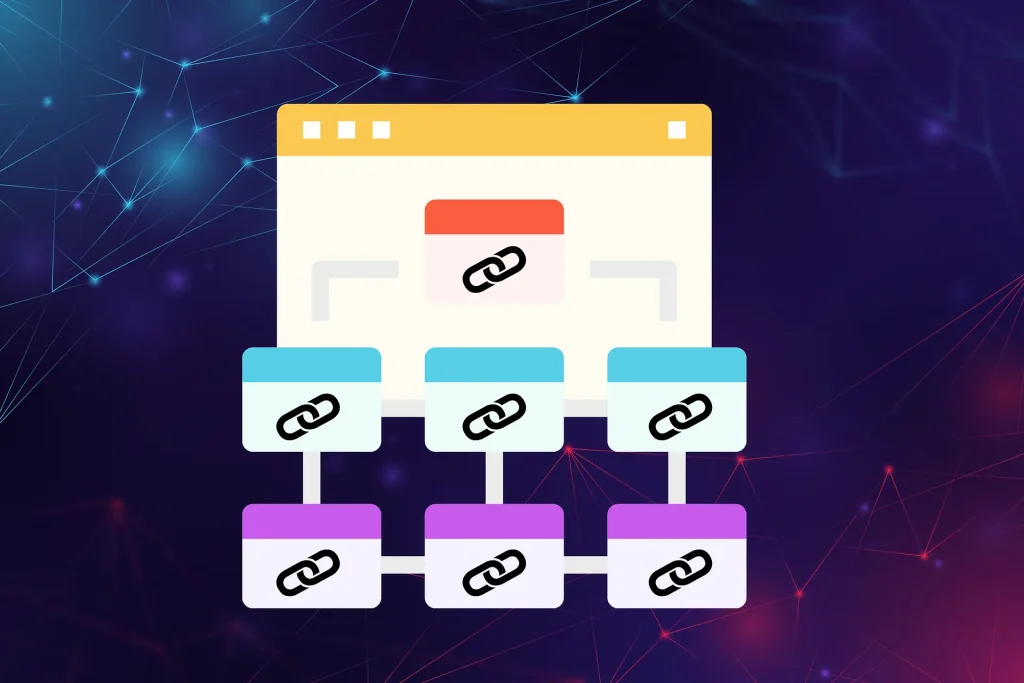
Google and other search engines employ sophisticated computer programmes (algorithms) to figure out which web pages are the most relevant and have the most authority for any given search query. Links function as indicators of this authority and relevance.
Think of the internet as a vast road system that links billions of websites. A link from one website to another is like adding a new road between them. Search engine bots (sometimes called spiders or crawlers) follow these links to discover new pages and to understand how existing pages are related to each other.
- Votes of Confidence: A link from a respected, well-known website is effectively a ‘vote’ for your page, suggesting it’s worth looking at and possibly deserves to rank higher. The more good quality votes you accumulate, the more authoritative your page starts to look.
- PageRank: The idea behind PageRank is still relevant even though the original formula is no longer in use. It is Google’s method of determining the importance or authority of web pages based on the amount and quality of links that point to them. Links from credible, relevant pages convey more “authority.”
What’s the Difference Between Dofollow and Nofollow Links?
Dofollow Links
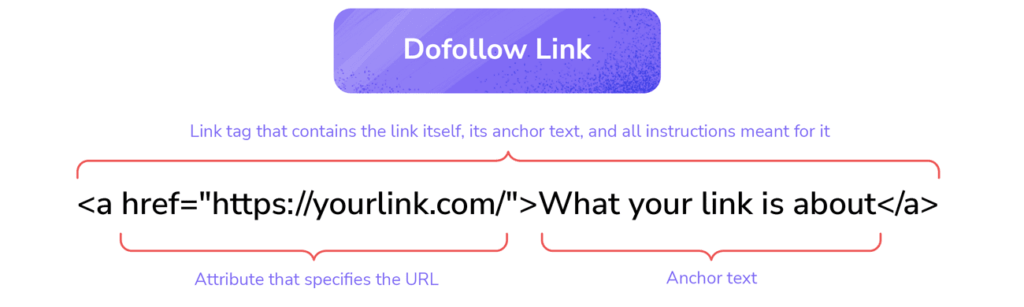
(Source: SE Ranking)
Most of the links on the internet are typically “dofollow” usually. This means search engines follow these links and do take them into account when running their ranking programmes, effectively passing on that ‘authority’ (sometimes called ‘link equity’).
Nofollow Links
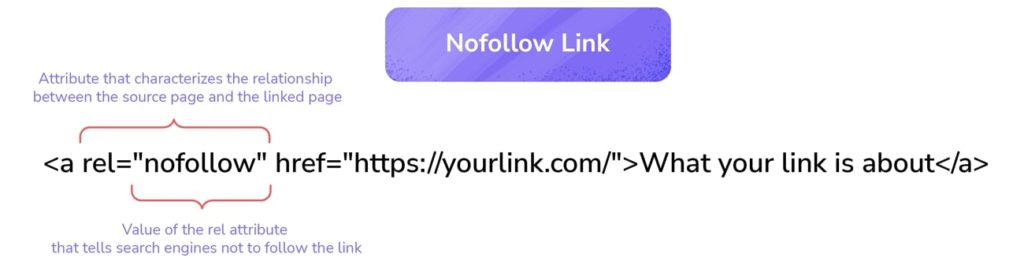
(Source: SE Ranking)
A rel=”nofollow” tag tells search engines not to follow the link and not to pass on ranking credit. These are often used for things like paid-for links (sponsored content), links left in comment sections, or links the website owner doesn’t necessarily want to signal approval for, from an SEO standpoint.
- Why dofollow links are typically the main prize : These are the ones that directly pass on that valuable ‘vote’ which directly influences search positions.
- Why nofollow links can still be worthwhile : Even without direct SEO impact, they can still drive people (referral traffic) to your site and boost awareness of your brand or project.
Learn More on the Difference Between Dofollow and Nofollow Links.
Understanding Anchor Text: Why the Words Matter
(source : How Many Types of Keywords in SEO with Examples)
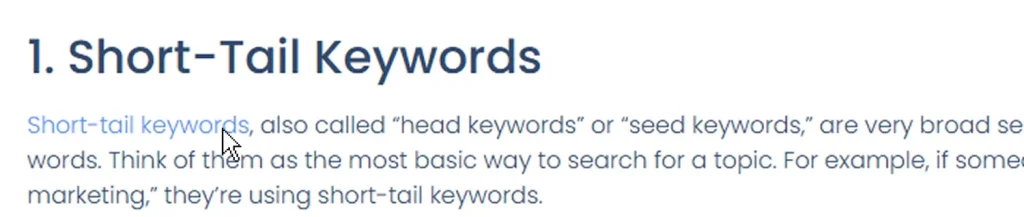
The text that appears for a link and can be clicked is called anchor text. For instance: [Click Here] like the one I did for Dofollow links just above.
Search engines benefit from anchor text since it gives them context about the content on the page it links to. If a website links to your guide about “easy vegan recipes” using the anchor text “vegan recipe ideas”, Google gets a clear indication that your page is highly relevant to that topic.
Aim to use relevant and descriptive anchor text. However, be careful not to stuff it with keywords or use the exact same phrasing every single time you get a link. A mix of relevant terms, your project or brand name (branded anchor text), and more generic phrases (like “learn more”) is much more natural.
Why Link Quality, Relevancy, and Authority are Far More Important Than Volume
Years ago, a popular approach was simply trying to get as many links as possible. Not anymore! Google’s systems are sophisticated enough to spot this and prefer quality.
Quality
The value of a link from a reputable, highly authority website in your field is significantly more than the worth of dozens of links from spammy, irrelevant, or low-quality websites.
Relevancy
Links to websites relevant to your topic or market are more significant. A link to your plumbing website from a gardening blog is less relevant than a link from a local home services directory or a blog about home maintenance.
Authority
A link from a website with strong overall authority (often measured by metrics like Domain Authority or Domain Rating, though these are third-party metrics) carries more weight.
Focusing on earning quality, relevant links is key for long-term, sustainable SEO success.
Building Your Beginner Link Building Strategy

Before you start reaching out and attempting to obtain links, take a moment to strategise. Even a simple plan is better than none.
Setting Realistic Goals for Your Link Building Efforts
Start by clearly defining what you hope to achieve with link building. Are you aiming to improve the ranking of specific pages for target keywords, drive more organic traffic to your site overall, or perhaps establish your brand or project as an authority in your area? Setting realistic, measurable goals provides direction for your subsequent efforts.
Understanding Your Niche and Target Audience
Think about who your ideal visitor, customer, or reader is and, crucially, what other websites, blogs, or online communities they frequent and trust. These are often the places where getting a link would be most valuable and relevant.
Consider who within your industry or area might naturally link to your content because it’s genuinely useful to their own audience – identifying these potential link partners is a critical step.
Identifying Your “Linkable Assets”: What Content Deserves Links?
These are the pieces of content or specific pages on your website that are valuable, informative, unique, or entertaining that others would want to link to naturally. Go through your existing website and highlight assets like in-depth guides, comprehensive blog posts, original research you’ve done, useful tools, helpful templates, engaging infographics, or even a compelling “About Us” page that tells a great story.
Knowing what content is link-worthy helps you prioritise your outreach efforts towards pages that have the highest potential to earn links.
Analysing Your Competitors (Simple Version):
Identify 2-3 websites competing in the same space as you who are already ranking well in search results for the topics you care about. Visit their websites and observe the types of content they produce.
Whilst tools exist to see all of their backlinks, for a beginner, simply understanding the kinds of content (like guides, resources, tools) that seem to be attracting attention is a great starting point for shaping your own content creation and outreach ideas. This strategic planning phase sets the foundation for successful and targeted link building.
Practical Link Building Tactics for Beginners
Creating High-Quality Content: The Essential Starting Point
The foundation you must have to build links effectively is genuinely high-quality content on your website. Nobody is going to link to thin, irrelevant, or badly put together pages, regardless of how clever your outreach is.
Focus your energy on producing content that truly helps, informs, or entertains your intended audience – this is your strongest basis for naturally earning links over time as people discover and want to share your useful information.
Guest Blogging: Sharing Your Expertise on Other Websites
One of the most accessible and effective methods for beginners is guest blogging, where you write an article to be published on another relevant website in your industry or niche. This popular tactic allows you to share your expertise with a new audience, and in return for providing valuable content, you typically earn a link back to your own site, often placed within the article body or your author bio, providing a powerful vote of confidence.
To find these opportunities, search on Google using phrases like [your niche] “write for us”, [your niche] “guest post”, or [your niche] “contribute”. When pitching your ideas, make sure you’ve researched their site and offer topic suggestions that would genuinely appeal to their readers, whilst subtly demonstrating why your content or website would be a helpful link for them, remember to keep it polite and professional.
Broken Link Building: A Helpful Exchange
This technique is a clever win-win strategy where you find a broken link (a link on a website that leads to a non-existent page) on a relevant site and contact the website owner to report it, offering a piece of your own relevant, high-quality content as a suitable replacement.
By helping the site owner fix their broken link problem and simultaneously suggesting your valuable content as a solution, you create a strong, mutually beneficial reason for them to link to you.
Directory Submissions: Focus on Quality Listings
When handled correctly, submitting your website to online directories can be a foundational step, especially for local businesses. The key is to be highly selective and only submit your site to legitimate, reputable directories specific to your industry or geographical location (often called local citations), rather than indiscriminately submitting to low-quality or spammy ones, which can harm your SEO.
These quality directory links can provide valuable structure, visibility, and build basic authority signals.
Resource Pages: Getting Added to Helpful Lists
Many websites curate dedicated “Resources” or “Links” pages listing helpful external websites, tools, guides, or articles that benefit their audience.
If you’ve created a piece of valuable, unique content on your site – such as a comprehensive guide, a useful tool, or insightful data – that perfectly aligns with the theme of one of these pages and would genuinely help their visitors, you can reach out to the site owner or editor to suggest your resource as a relevant addition.
Internal Linking: An Easy Win You Can Sort Yourself
Unlike most link building efforts which focus on getting links from other websites, internal linking is a powerful, easily controlled tactic where you link from one relevant page on your own website to another.
This helps visitors navigate your site, encourages them to stay longer, assists search engines in discovering and indexing your content more effectively, and helps distribute link authority across your site, boosting the SEO strength of linked pages.
Monitoring Brand Mentions: Turning Mentions into Links
Sometimes, websites and blogs may talk about your brand, your products/services, or reference content from your site without actually including a clickable link back to you. By setting up simple monitoring tools (like semrush), you can track these mentions as they appear online, and then reach out politely to the site owner or editor, thank them for mentioning you, and ask if they would consider turning the mention into a direct link for their readers’ convenience.
The worst case scenario is that you have to pay for it but unlinked brand can still be a worthwhile investment for building credibility and driving traffic to your website.
Executing Your Link Building Campaigns

Finding Link Prospects: How to Identify Potential Link Sources
Before you can start outreach, you need to identify which websites you want links from. This involves finding potential sites using methods aligned with your chosen tactics – perhaps searching Google for guest post opportunities or resource pages, identifying sites that link to competitors (using free tools), or noting non-linking brand mentions as they occur. The goal is to build a list of relevant, quality websites that align with your strategic goals and audience.
Crafting Effective Outreach Emails: Getting Responses
Once you’ve found potential sites, the next crucial step is sending personalised emails. To maximise your chances of getting a link, avoid sending generic messages and instead focus on clearly explaining the value you offer – whether it’s a great guest post idea, a useful resource, or helping fix a broken link – before making a polite, clear request.
Managing Your Outreach: Tracking and Follow-Up
With your emails sent, it’s essential to stay organised, tracking who you’ve contacted, when, and their response allows you to effectively manage your campaigns. Using a simple spreadsheet is an excellent way for beginners to log each prospect, note the date of contact, track the status, and schedule polite follow-up emails to gently remind prospects who haven’t yet replied without being pushy.
What NOT to Do: Avoiding Black Hat Link Building

While gaining links takes effort, it’s critical to steer clear of unethical or “black hat” tactics, such as buying links, participating in large-scale link schemes, or spamming comments and forums, as these practices violate Google’s guidelines and can result in severe penalties that harm your site’s ranking and reputation long-term. Always focus on earning links ethically by providing genuine value.
Measuring Your Link Building Success & Next Steps
Once you start building links, it’s important to track your progress using these key metrics :
Organic Traffic
The most important indicator of success is seeing an increase in organic traffic – visitors arriving at your site directly from search engine results – which you can monitor in tools like Google Analytics, as more high-quality links should lead to better rankings and, consequently, more clicks from searchers.
Ranking Improvements
As your link profile strengthens, you should observe your website’s position improving in Google Search results for the specific keywords you are targeting, you can track these ranking changes over time using various free or paid rank checking tools.
Domain Authority/Rating
While not a direct Google ranking factor, metrics like Domain Authority (DA) or Domain Rating (DR) provided by SEO tools offer a useful score indicating your website’s overall strength and authority based significantly on its link profile, tracking a gradual increase in this score can serve as a helpful proxy for the cumulative positive impact of your link building efforts.
Referral Traffic
Beyond just influencing search rankings, the links you build on other websites can also directly send visitors to your site, monitoring referral traffic in your analytics allows you to see which specific links are being clicked and driving engaged users to your content.
Start Building Links Today

You’ve now covered the essentials of SEO link building for beginners – from understanding the fundamental role of links as “votes” to exploring practical, ethical strategies you can implement right away. Remember that quality and relevance are far more important than simply collecting as many links as possible.
Link building is a continuous process that requires patience, persistence, and a commitment to creating genuine value, both on your own site and for the websites you connect with through outreach. It’s a core pillar of SEO that will significantly impact your visibility and success online.
As you build your link building skills, scaling efforts can become time-consuming. When you’re ready to accelerate your growth and outsource, consider partnering with an ethical link building specialist like seo singapore agency to help take your strategy to the next level. Contact us here, send an email to hello@weave.asia or call +65 9782 4888.


